Towing a trailer—whether it’s a boat, camper, utility hauler, or cargo carrier—can drop your vehicle’s fuel economy by 20-50% or more, depending on weight, speed, and conditions. The good news? With a few smart adjustments, you can claw back noticeable MPG without sacrificing safety or comfort. These Top 5 Tips to Maximize Fuel Efficiency While Towing are practical, proven, and based on real-world towing best practices. Most are free or low-cost, and they can save you hundreds of dollars per year on gas.
1. Slow Down and Drive Smoothly
Speed is the biggest killer of fuel economy when towing. Aerodynamic drag increases dramatically above 55-60 mph, and every 5 mph over that can cut efficiency by 10-20% or more.
Quick Action Steps:
- Aim for 55-65 mph on highways (the sweet spot for most setups).
- Accelerate gently and anticipate stops to avoid hard braking.
- Use cruise control on flat roads to maintain steady speed.
Why it works: Towing creates massive wind resistance. Lower speeds reduce that drag exponentially, often adding 2-4 MPG on long hauls.
2. Lighten the Load & Optimize Weight Distribution
Every 100 lbs of extra weight reduces fuel economy by about 1-2%. Overloading or poor balance forces your engine to work harder.
Quick Action Steps:
- Weigh your trailer + load at a public scale (aim for under your vehicle’s rated capacity).
- Remove unnecessary gear—leave the extra chairs or tools at home.
- Distribute weight 10-15% tongue weight forward for better stability and less drag.
Why it works: Less mass means less energy to accelerate and maintain speed. Proper balance also reduces sway, letting you drive more efficiently.
3. Keep Tires Properly Inflated & Maintained
Underinflated tires increase rolling resistance, which can sap 5-10% of your MPG. Trailer tires are often overlooked.
Quick Action Steps:
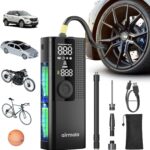
- Check pressure cold (before driving) and inflate to the max sidewall rating (usually 50-80 PSI).
- Inspect both tow vehicle and trailer tires monthly.
- Rotate and balance regularly; replace worn tires promptly.
Why it works: Proper inflation minimizes drag and heat buildup. A 20% underinflation can cost you 10% fuel economy.
4. Maintain Your Tow Vehicle & Trailer
A well-tuned rig runs more efficiently. Neglect here can drop MPG by 5-15%.
Quick Action Steps:
- Change air filters, oil, and fluids per schedule (dirty filters restrict airflow).
- Use the recommended fuel grade (avoid cheap additives unless specified).
- Check wheel bearings on the trailer—grease them to reduce drag.
Why it works: A clean engine and smooth-rolling trailer require less power, translating directly to better mileage.
5. Improve Aerodynamics & Plan Your Route
Wind resistance is huge with tall or boxy trailers—reducing it can add 1-3 MPG.
Quick Action Steps:
- Use a front air dam or roof deflector if possible.
- Avoid roof racks or extra cargo on top—store inside.
- Plan routes with apps like Google Maps (eco mode) or Waze to avoid hills, traffic, and stops.
- Tow early morning when air is cooler and denser for slightly better combustion.
Why it works: Streamlining airflow cuts drag. Smarter routes minimize idling and elevation changes.
Final Thoughts
These five tips can realistically add 2-5 MPG (or more) while towing, depending on your setup—potentially saving $200-500+ per season on fuel. Start with the easiest (slow down, tire pressure) and build from there. Always prioritize safety—never exceed ratings, and practice in low-traffic areas first.
Happy hauling, and safe travels! 🚚💨